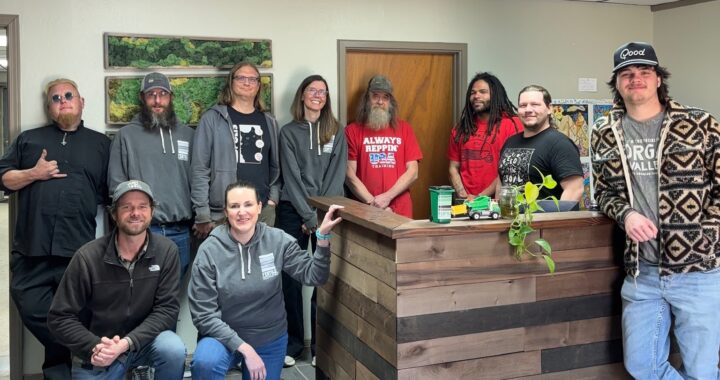
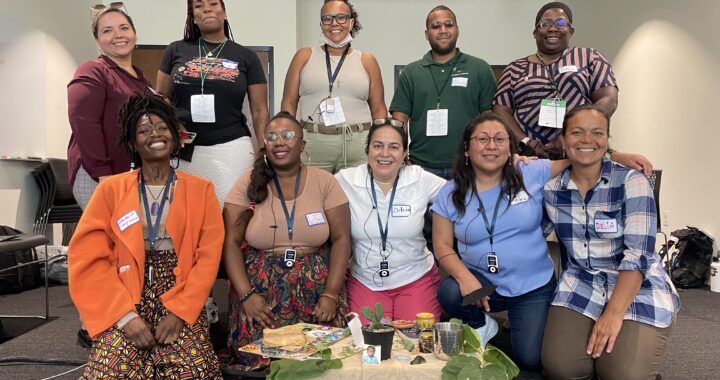
With the help of USFWC’s Co-op Clinic, Obvious Agency built an organizational structure and work culture that reflects their purpose of imagining new ways of being and creating
When the artists behind Obvious Agency saw an opportunity to go from a small ensemble creating interactive live performances to a formal cooperative, they knew they wanted to be guided by their mantra: “Always serious, always silly, we believe that by helping create and define culture, we can create systemic and interpersonal change.” The immediate opportunity came when the Mellon Foundation offered them funding — but only if they had a formal entity to receive it. For the artists, forming an entity wasn’t just about legal status. It was about ensuring their structure and workplace culture matched their creative and social purpose.
That meant bridging their artistic mission with formal business operations: What would it mean to be a member or owner? What would be the expectations of each member? “All of us doing everything all of the time was not serving us as people,” says member Daniel Park. “We wanted more clarity and specificity of what each of our roles should be. What was everyone’s buy-in and boundaries? We knew we needed to lay out what our jobs and job descriptions would be to clearly identify how we would delegate and share decisions.”
Both long-term vision and short-term need pointed them to the same conclusion: building a solid structure now would carry them into the future.
Obvious Agency turned to the USFWC’s Co-op Clinic, which paired them with Peer Advisor Mike Strode. Mike helped them clarify organizational roles and the responsibilities within them. He also guided them in defining the aspects of roles unique to a democratic workplace—identifying where power, responsibility and decision-making were held and shared. “Mike described a role as being a hat that anyone should be able to take on and off—it shouldn’t depend on any one individual,” recalls Daniel.
That clarity shaped the team’s growth and led them to hire a general manager. “We were able to be clear about the expectations of the General Manager role from the get,” says Daniel. “As artists and people, it’s easy to self-exploit—to put more into the work than it gives back. We don’t want to suck others into that culture.” The general manager helped get their finances in better order, revealing that they had more runway than they thought. “It was scary being in a financially precarious situation—you’re scared to ask questions because you’re afraid of what the answers will be. But we actually had five to six more months of financial runway than we understood.”
The impact extended beyond finances. With clear roles and a strengthened team, morale improved and energy shifted back toward creative work. One operations staffer even transitioned into a creative producer role.
These outcomes highlight why intentional structure matters. From setting clear expectations to preventing unhealthy work cultures, Obvious Agency is building not just a cooperative business but a healthier workplace, one that reflects their purpose of imagining new ways of being and creating.
Learn more about the real impact the USFWC Co-op Clinic and other programs are making for worker cooperatives and democratic workplaces across the country in our 2024 Impact Report.